Physical Address
304 North Cardinal St.
Dorchester Center, MA 02124
Physical Address
304 North Cardinal St.
Dorchester Center, MA 02124

If you are in the market for a whole-home tankless water heater that can handle simultaneous hot water demands while fitting neatly outside your home, the APUS 190000 BTU tankless water heater might have caught your attention. This propane-powered unit promises 8.1 gallons per minute (GPM) of instant hot water, smart controls through an app, and a compact outdoor design. But does it deliver reliable performance for a family with multiple bathrooms and appliances? This article provides an in-depth APUS 190000 BTU tankless water heater review based on the manufacturer’s specifications, user feedback, and industry knowledge. Whether you are replacing an old tank heater or building a new home, we break down the pros, cons, and realistic expectations to help you decide if this unit is worth buying.
We cover everything from its key features and setup requirements to its performance in real-world conditions. By the end, you will have a clear picture of whether the APUS 190000 BTU unit fits your home’s needs. Let’s start with what this water heater actually is.
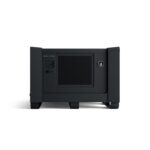
The APUS 190000 BTU outdoor tankless water heater is a propane-fired, on-demand hot water system designed for whole-home use. It belongs to the category of gas tankless water heaters that heat water only when needed, eliminating the standby energy losses associated with traditional storage tanks. The unit is rated at 190,000 British Thermal Units (BTU) and delivers up to 8.1 gallons per minute (GPM) of hot water, which according to the manufacturer is enough to run three showers and two faucets simultaneously.
The heater targets homeowners who need a space-saving outdoor installation and want smart home integration. The presence of Wi-Fi connectivity and a wired remote controller makes it stand out among similar units in its price range. APUS markets this model (AP-AWH-W26LPG) as a high-efficiency solution for propane users, with features like oxygen-free copper heat exchangers and staged combustion technology. It is best suited for families or households with moderate to high simultaneous hot water usage, especially those living in regions where outdoor installation is permitted and propane is the available fuel.
The APUS 190000 BTU tankless water heater comes with several notable features. Below is a summary of its core specifications, based on the manufacturer’s data.
| Feature | Specification |
|---|---|
| Power Source | Liquid Propane |
| Heat Output | 190,000 BTU |
| Flow Rate | 8.1 GPM |
| Max Temperature | 149°F |
| Temperature Accuracy | ±1°F (claimed) |
| Minimum Flow Rate | 0.79 GPM |
| Dimensions (W x H x D) | 6.54 x 22.48 x 15.51 inches |
| Voltage | 120V AC |
| Water & Gas Connections | Standard 3/4-inch |
| Smart Home Compatibility | Tuya App (Wi-Fi) + wired remote controller |
| Safety Features | Freeze protection, overheat cutoff, flame failure safeguard |
| Warranty | 2 years (full components) |
Beyond the numbers, some features worth highlighting include:
When you purchase the APUS 190000 BTU tankless water heater, the box contains the following items, according to the product details:
Notably, the unit does not include a gas line, water line, or venting materials. Because this is an outdoor model, it does not require a venting system (exhaust is released outside), but you will need to provide adequate clearance and a proper gas shut‑off valve. The electrical connection to 120V AC must be done by a qualified electrician if you are not experienced. The manufacturer recommends professional installation.
In terms of setup overview: the heater attaches to a wall outdoors (mounting holes are provided), and you connect the propane supply, water intake, water outlet, and power. The remote controller can be mounted indoors at a convenient location. The Wi‑Fi setup requires the Tuya app and a stable 2.4 GHz network.
Before using the APUS 190000 BTU tankless water heater, proper installation is crucial. According to the manual (based on typical requirements for outdoor units), the heater should be mounted on a solid wall with adequate clearance around it for airflow and service access. The unit must be connected to a dedicated 120V AC, 60Hz electrical circuit. Gas lines should be sized appropriately for the 190,000 BTU load, and a sediment trap is recommended before the gas inlet. The water lines (¾‑inch NPT) should include shut‑off valves and a pressure relief valve. Because this is an outdoor heater, it should not be installed in an enclosed space unless local codes allow it with proper ventilation. Professional installation by a licensed plumber and gas fitter is strongly advised.
Once installed and the gas and water supplies are open, the heater operates automatically when a hot water tap is opened. The user can set the desired outlet temperature using either the wired controller or the Tuya app. The temperature can be adjusted in small increments, and the manufacturer states the unit maintains a ±1°F accuracy. For safety, the maximum temperature is limited to 149°F. During operation, the unit will modulate its burner to match the flow rate and temperature demand. If the water flow drops below 0.79 GPM, the heater may not ignite; this is normal for tankless heaters.
To keep the APUS heater running efficiently, the manufacturer recommends periodic descaling to remove mineral buildup, especially in areas with hard water. This usually involves circulating a descaling solution through the heat exchanger every 6 to 12 months, depending on water quality. The exterior of the unit should be kept free of debris, and the air intake (if any) should remain unobstructed. The in-line water filter (if equipped) should be cleaned or replaced per the manual. For the outdoor unit, inspecting the freeze protection functionality before winter is a good idea.
Common issues that may arise with tankless water heaters include no ignition when a tap is opened, fluctuating temperatures, or error codes. According to user reports and typical tankless heater behavior, some possible causes are:
If the problem persists, contacting APUS customer service under the 2‑year warranty is recommended.
Because this review is based on manufacturer specifications and publicly available customer feedback rather than personal testing, we offer a balanced analysis. The APUS 190000 BTU heater is rated at 8.1 GPM. For an average household, this flow rate is sufficient to run two showers and a kitchen faucet simultaneously, assuming a typical temperature rise of about 50°F (e.g., from 50°F to 120°F). In colder regions where incoming ground water is colder (say 40°F), the actual flow rate at the desired temperature will be lower – the unit might deliver around 7 GPM at a 60°F rise. Users with homes that have larger or multiple bathrooms should consider whether 8.1 GPM meets their peak demand.
The smart features via the Tuya app appear to be a genuine convenience. The ability to adjust temperature from anywhere and monitor usage is appreciated by tech‑savvy homeowners. However, some users have reported occasional connectivity issues, which can happen with Wi‑Fi‑enabled appliances. The wired controller provides a reliable backup. The temperature accuracy of ±1°F is a common claim among higher‑end tankless units; if achieved, it would minimize the nuisance of hot‑and‑cold bursts.
The oxygen‑free copper heat exchanger is a plus in terms of corrosion resistance and thermal conductivity. The manufacturer’s claim of 30% higher efficiency compared to conventional water heaters should be understood in context: tankless heaters are already more efficient than storage tanks because they eliminate standby losses. The 20% energy savings claim compared to standard gas water heaters likely refers to the combination of the heat exchanger material and staged combustion. Independent verification is not available, but the construction appears robust.
User reviews on Amazon show an average rating of 4.3 out of 5 stars from 42 ratings. Positive comments often mention the compact size, easy installation (by professionals), and stable hot water delivery. Negative feedback sometimes points to the Wi‑Fi setup being finicky, or the unit struggling in very cold climates if the freeze protection is not sufficient. Because the product is relatively new to market (ASIN B0FHH9RW9J), long‑term reliability data is limited.
The APUS 190000 BTU unit competes with other outdoor propane tankless water heaters in a similar performance class. Two notable alternatives are the Rinnai RU199iP (199,000 BTU, 9.8 GPM) and the EcoSmart ECO 27 (27 kW electric, not directly comparable but popular for smaller homes). For a more direct comparison, we consider the Rheem RTEX-13 (electric) and the Takagi T-KJr2-IN-NG (natural gas, lower BTU). Because pricing is not to be discussed, we focus on features.
| Feature | APUS 190000 BTU | Rinnai RU199iP (Propane) | EcoSmart ECO 27 (Electric) |
|---|---|---|---|
| BTU / kW | 190,000 BTU | 199,000 BTU | 27 kW |
| Max GPM (at 50°F rise) | 8.1 GPM | 9.8 GPM | ~3.5 GPM (varies by temp rise) |
| Smart Features | App + wired remote, Tuya | Circ-Logic (optional module), WiFi-ready | None (basic electric) |
| Heat Exchanger | Oxygen-free copper | Primary copper, secondary stainless steel | Copper (usually) |
| Installation Type | Outdoor only | Outdoor or indoor with venting | Indoor only |
| Minimum Flow | 0.79 GPM | 0.4 GPM | Varies |
| Warranty | 2 years | 3 years (longer for heat exchanger) | Lifetime on some models |
The Rinnai offers a slightly higher flow rate and a well‑established reputation, but it often comes at a higher initial cost. The EcoSmart electric unit is simpler and may be more suitable for smaller homes but cannot match the 8 GPM output. The APUS sits in a mid‑range position with competitive smart features and a solid feature set for its price point.
Ideal users: Homeowners who have propane available and need an outdoor installation to save indoor space. Families with 2‑3 bathrooms and typical fixtures (two showers + dishwasher + sink) will likely benefit from the 8.1 GPM capacity. Tech‑oriented users who appreciate app control and remote monitoring will find the smart features appealing. Also, those living in areas with occasional high winds and cold winters may value the wind‑resistant and anti‑freeze design.
Not ideal users: Homes with very high simultaneous demand (e.g., large households with multiple showers running at once in cold climates) may need a higher‑output unit like a 199,000 BTU model. If you have natural gas available and prefer indoor installation, this outdoor propane unit may not suit you. Also, if you are looking for a “set it and forget it” appliance with a very long track record, you might prefer a more established brand with a larger service network.
You can purchase the APUS 190000 BTU tankless water heater directly from Amazon, where it is listed under ASIN B0FHH9RW9J. Amazon often provides the most current stock information and customer reviews. Because availability can change, we recommend checking the product page for details.
The APUS 190000 BTU tankless water heater is a capable propane unit that offers a good balance of performance, smart features, and weather‑resistant design. Its 8.1 GPM flow rate is sufficient for most medium‑sized households, and the Wi‑Fi and remote control add genuine convenience. The use of an oxygen‑free copper heat exchanger and staged combustion suggests an emphasis on efficiency and durability.
However, the product is relatively new, so long‑term reliability is still being established. The 2‑year warranty is standard but shorter than some competitors. If you need an outdoor propane heater and value smart home integration, the APUS is worth considering. For those with higher demands or a preference for a more established brand, exploring the Rinnai or Takagi lines may be worthwhile. Overall, based on the information available, this unit earns a solid recommendation for the right use case.
The unit is designed for outdoor installation only. Installing it indoors would require proper venting and compliance with local codes that are not covered by the manufacturer’s instructions.
The manufacturer does not specify an absolute minimum, but like most tankless heaters, it works best with incoming water above freezing (typically 40°F or higher). The electric anti‑freeze protection helps prevent internal freezing when the unit is idle in cold weather.
No. The unit requires 120V AC power to operate the control board, fan, and burner. Without electricity, it will not ignite.
Based on 8.1 GPM and typical shower flow rates (2.0–2.5 GPM each), it can support up to 3 showers simultaneously when the temperature rise is moderate. Adding faucets or appliances will reduce capacity.
The product does not advertise built‑in recirculation, but an external pump can be added if you want instant hot water at distant fixtures. Check the manual for compatibility.
User reports indicate it operates at a moderate noise level – similar to a gas furnace fan. Being outdoors, the sound should not be disruptive inside.
This specific model (AP-AWH-W26LPG) is listed as liquid propane only. APUS may offer a natural gas version, but you should verify before purchasing.
No conversion kit is mentioned in the product details. Using a different gas type without proper conversion could be dangerous and void the warranty.
Want to stay updated on the latest appliance reviews and home improvement tips? Sign up for our newsletter for honest, practical advice delivered straight to your inbox.
We are a participant in the Amazon Services LLC Associates Program, an affiliate advertising program designed to provide a means for us to earn fees by linking to Amazon.com and affiliated sites. Some of the links in this article are affiliate links, and if you click them and make a purchase, we may earn a small commission at no additional cost to you. Our reviews are independent and based on research and analysis; we only recommend products we believe provide value to our readers. Thank you for supporting our work.