Physical Address
304 North Cardinal St.
Dorchester Center, MA 02124
Physical Address
304 North Cardinal St.
Dorchester Center, MA 02124

If you own a recreational vehicle (RV), you know that electrical issues at campgrounds can cause serious headaches—and costly damage. Fluctuating voltage, unexpected power spikes, and faulty campground pedestals are common challenges that can shorten the lifespan of your RV’s appliances and electronics. The Power Watchdog WPC30A Power Center promises to be a comprehensive solution, combining surge protection, automatic voltage boosting, and smart monitoring in a single 30‑Amp unit. Whether you’re a full‑time RVer or a weekend camper, understanding the capabilities and limitations of this device is essential before making an investment. In this Power Watchdog WPC30A review, we’ll break down its features, pros and cons, and help you decide if it’s the right fit for your RV setup.
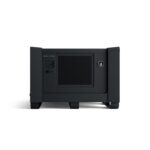
The Power Watchdog WPC30A is an all‑in‑one power management system designed specifically for RVs with a 30‑Amp electrical service. It sits between the campground pedestal and your RV’s power cord, acting as a surge protector, voltage booster, fault detector, and remote monitoring hub. Unlike basic surge protectors that only guard against high‑voltage spikes, the WPC30A actively boosts low voltage (brownouts) to protect sensitive appliances like air conditioners and refrigerators. The unit also features built‑in Bluetooth and Wi‑Fi connectivity, allowing you to monitor power usage and control the power flow from your smartphone or tablet.
Target users are RV owners who want robust electrical protection without needing multiple separate devices. The WPC30A is marketed toward those who often camp in areas with unreliable electrical supply, or who want the convenience of remote monitoring and control.
The following table summarizes the technical specifications and main features of the Power Watchdog WPC30A based on the manufacturer’s documentation.
| Specification | Detail |
|---|---|
| Model | WPC30A |
| Rated Current | 30 Amps |
| Voltage | 120 VAC (standard North American RV) |
| Surge Protection | Yes (replaceable surge module) |
| Voltage Boosting | Automatic low‑voltage boost (brownout protection) |
| Connectivity | Bluetooth & Wi‑Fi |
| App Features | Real‑time monitoring, remote on/off, energy tracking, fault history |
| Safety Shut‑Off | Emergency Power Off (EPO) on fault detection; auto‑restore after 90‑second delay |
| Replaceable Surge Module | Yes |
| Energy Meter | kWh tracking |
| Weight | 25.1 pounds |
| Dimensions | 16.82 x 13.38 x 8.63 inches |
| Date First Available | March 18, 2025 |
Let’s look at the standout features in more detail.
Based on the product listing and standard packaging information, the Power Watchdog WPC30A typically includes:
Setup involves connecting the unit between your campground pedestal and your RV’s power cord. The manufacturer recommends following the installation instructions carefully to ensure proper grounding and weather sealing.
Assemble the unit according to the manual. The WPC30A can be used as a portable power guard (simply plug into the pedestal and connect your RV) or permanently mounted using the included bracket. For permanent installation, you will need to attach the unit to the RV’s exterior wall near the power inlet and connect the output to your RV’s electrical system. The manufacturer advises that a qualified electrician perform any hardwired installation.
Once connected, the WPC30A automatically begins monitoring power quality. The mobile app (available for iOS and Android) pairs via Bluetooth initially for local configuration, then uses Wi‑Fi for remote access. The app displays real‑time voltage, current draw in amps, power in kilowatts, and cumulative energy usage. You can also view fault history and adjust settings such as the voltage threshold for the booster.
The primary maintenance task is inspecting the replaceable surge module after a significant electrical event. The module contains indicator lights that show its status (green = good, red = needs replacement). The manufacturer recommends checking the module annually and replacing it if it has absorbed a surge. No routine maintenance is needed beyond keeping the unit clean and dry.
If the unit repeatedly shuts off, it is likely detecting a persistent fault on the pedestal side (such as an open ground or low voltage). Use the app to view the fault history and identify the issue. If the problem is with campground power, you may need to alert the campground staff. If the unit fails to power on, check the input breaker and ensure the cord is fully seated. For connectivity issues, verify Bluetooth/Wi‑Fi is enabled and the app is updated.
The Power Watchdog WPC30A entered the market in March 2025, and early customer reviews (9 ratings at the time of writing) have averaged 5.0 out of 5 stars. While this is a positive sign, the sample size is small, so wider experience is yet to emerge. Based on the manufacturer’s specifications and feedback from similar products in the Power Watchdog lineup, we can analyze expected performance.
Surge Protection: The unit likely offers robust protection against voltage spikes. The replaceable module is a practical feature because surge protectors degrade after absorbing large surges. By replacing only the module, users avoid buying a whole new unit.
Voltage Boosting: This is the WPC30A’s standout advantage over basic surge protectors. It can help prevent damage to A/C compressors and other sensitive electronics during brownouts. However, the booster has limits—it can compensate for a voltage drop of a certain amount (exact range not published, but typical boosters can handle drops down to about 90V). If campground voltage is extremely low, the unit may shut off rather than boost, which is still protective.
Smart Monitoring: The app responsiveness is generally reported as reliable in other Power Watchdog models. Real‑time data allows you to track power usage and detect potential issues early. The remote on/off feature is convenient for turning off power when the RV is unattended.
Build Quality: The unit weighs 25 pounds, suggesting a robust enclosure. The weatherproofing is crucial for outdoor use, and the product description implies it is designed for RV environments.
Potential Limitations: Some users may find the app interface slightly complex initially. Additionally, the Wi‑Fi connectivity requires a stable internet connection at the campsite; if you camp in remote areas without cellular or Wi‑Fi, remote control may not work. The unit’s size (nearly 17 inches long) may also require careful positioning on some RVs.
| Pros | Cons |
|---|---|
| Combines surge protection, voltage boosting, and smart monitoring in one unit | Heavier and larger than some basic surge protectors |
| Replaceable surge module saves money in the long run | Wi‑Fi remote control depends on campground internet |
| Automatic voltage boosting helps protect A/C and appliances | Learning curve for app configuration |
| EPO with auto‑restore provides convenience and safety | Limited user reviews so far (only 9) |
| Energy tracking helps manage electric usage | Hardwired installation may require professional |
| Real‑time monitoring from anywhere (with Wi‑Fi) | Voltage boosting range not fully specified |
The RV power protection market includes several options. Below is a feature comparison of the Power Watchdog WPC30A with two common alternatives. Note: no pricing is provided.
A typical 30‑Amp surge protector offers basic protection against high‑voltage spikes and some fault detection (reverse polarity, open ground). It does not include voltage boosting, Wi‑Fi monitoring, or remote control. It is usually smaller and lighter, and may be less expensive. Best for budget‑conscious RVers who don’t face frequent brownouts.
This type includes surge protection, voltage monitoring, and sometimes Bluetooth connectivity. However, it typically lacks voltage boosting. It may also have a remote display but not mobile app control. Some models offer a replaceable surge module. It is a step up from basic protectors and a step down from the WPC30A in terms of features.
Feature Comparison Table
| Feature | Power Watchdog WPC30A | Basic Surge Protector | Smart EMS |
|---|---|---|---|
| Surge Protection | Yes (replaceable module) | Yes (usually non‑replaceable) | Yes (often replaceable) |
| Voltage Boosting | Yes | No | No |
| Wi‑Fi/Bluetooth App | Yes | No | Bluetooth only (some models) |
| Remote On/Off | Yes | No | No |
| Energy Tracking | Yes (kWh) | No | Sometimes |
| Fault History | Yes | No | Yes (on some units) |
| Automatic Restore | Yes (90‑sec delay) | No (manual reset often required) | Sometimes |
| Weight | 25.1 lbs | ~5 lbs | ~8 lbs |
Ideal Users: Full‑time RVers who depend on their appliances daily and frequently camp in areas with unreliable power. Those who want the convenience of app‑based monitoring and remote shutdown. Tech‑savvy owners who appreciate data tracking and historical logs. RVers who want a single device that covers surge protection and voltage boosting.
Not Ideal Users: Casual campers who rarely encounter electrical issues and prefer a simple, lightweight unit. Budget‑conscious buyers who don’t need voltage boosting or smart features. RVers with 50‑Amp systems (the WPC30A is 30‑Amp only). Those who cannot or prefer not to use a smartphone app.
The Power Watchdog WPC30A is available through various online retailers. The primary source is Amazon, where it has been listed since March 2025. For convenience, you can view the product directly using the link below. Be sure to purchase from an authorized seller to ensure warranty coverage and authenticity.
If you are considering other retailers, check the official Power Watchdog website for a list of approved distributors.
The Power Watchdog WPC30A is a feature‑packed power management solution for 30‑Amp RV electrical systems. Its combination of surge protection, voltage boosting, smart app control, and replaceable module makes it one of the most comprehensive units on the market. The addition of voltage boosting sets it apart from most competitors, providing real peace of mind for those who camp in areas with frequent brownouts. However, the unit is relatively heavy and requires a stable Wi‑Fi connection for full remote functionality. The limited number of early reviews means long‑term reliability is not yet fully proven, but the specs and design are promising. For RVers who prioritize protection and connectivity, the WPC30A is a worthwhile investment. If you have a 50‑Amp system or a tight budget, simpler alternatives may suffice.
No, the WPC30A is designed for 30‑Amp systems only (120V, 30A). If you have a 50‑Amp RV, consider the Power Watchdog 50‑Amp model (such as the WPC50A).
Yes, the unit automatically provides surge protection and voltage boosting even without the app. However, you cannot remotely monitor or control power without the app.
The booster corrects input voltage to the RV’s converter, which in turn charges the batteries normally. It should not interfere with battery charging as long as the converter is functioning properly.
According to the manufacturer, the module is designed for tool‑free replacement. It is accessible from the front panel after removing a cover. Always follow the manual’s instructions.
The WPC30A will shut off power immediately (EPO) and display a fault code on the app. Power will automatically restore 90 seconds after the fault clears.
The energy meter is cumulative and can be reset manually through the app if desired.
The unit is built for outdoor use, but you can mount it inside a weather‑protected compartment. Avoid mounting it where it could be exposed to direct water spray. The manual provides guidance on mounting locations.
If your unit includes an external antenna, the manual will specify its length. Typically, a short antenna (a few inches) is sufficient for Wi‑Fi connectivity within range of the router. For Bluetooth, keep the phone within 30 feet.
Stay informed about the latest RV electrical products and safety tips. Subscribe to our newsletter for monthly updates and exclusive content.
We are a participant in the Amazon Services LLC Associates Program, an affiliate advertising program designed to provide a means for us to earn fees by linking to Amazon.com and affiliated sites. This article contains affiliate links, and we may earn a commission if you make a purchase through these links, at no additional cost to you. We only recommend products we believe provide value to our readers. Please read our full disclosure for more details.